
Ngorongoro Crater
Overview
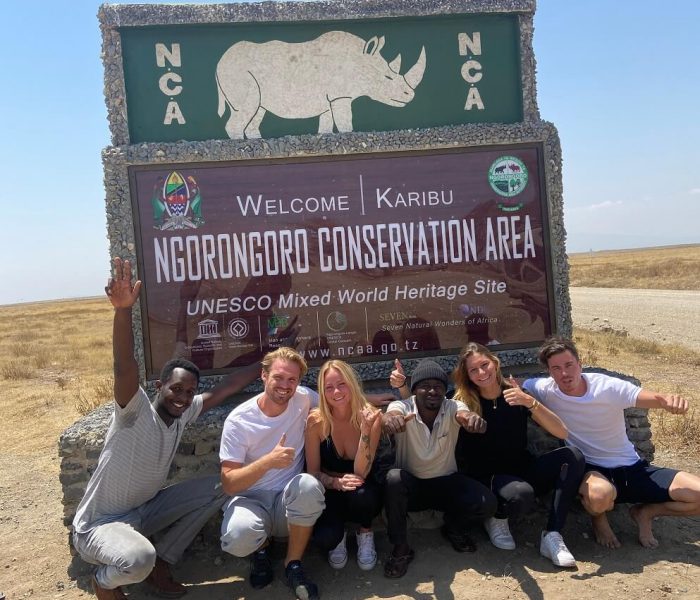
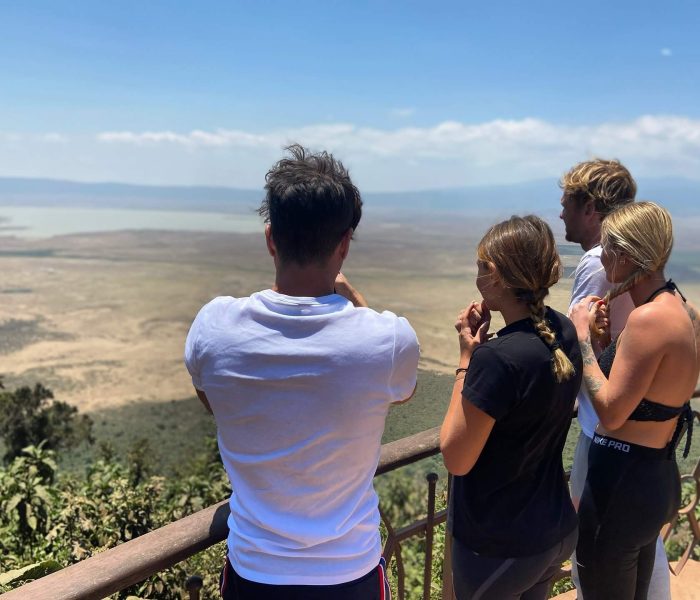
Ngorongoro Crater, a UNESCO World Heritage Site, is one of the most stunning natural wonders in Africa. Formed millions of years ago by a massive volcanic eruption, this ancient caldera is the largest intact crater in the world, spanning about 260 square kilometers with walls rising 600 meters high. Located in northern Tanzania, the crater is a key part of the Ngorongoro Conservation Area, offering an unparalleled concentration of wildlife in a uniquely scenic setting.
Wildlife Safari
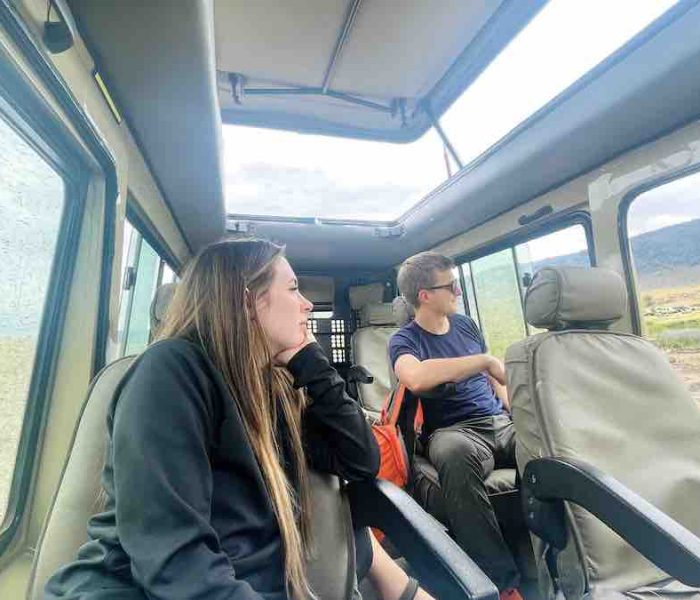
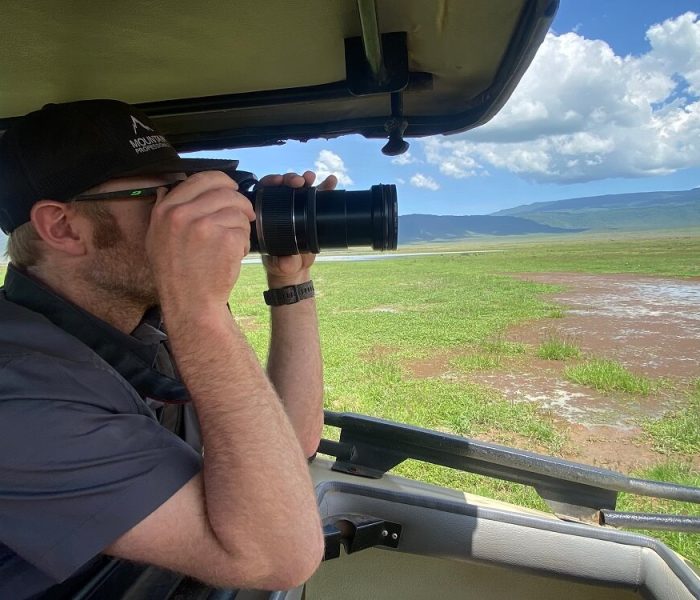
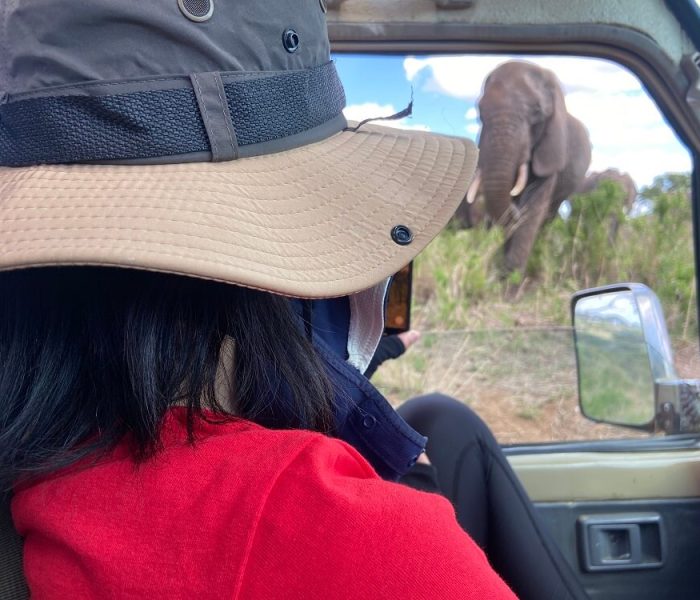
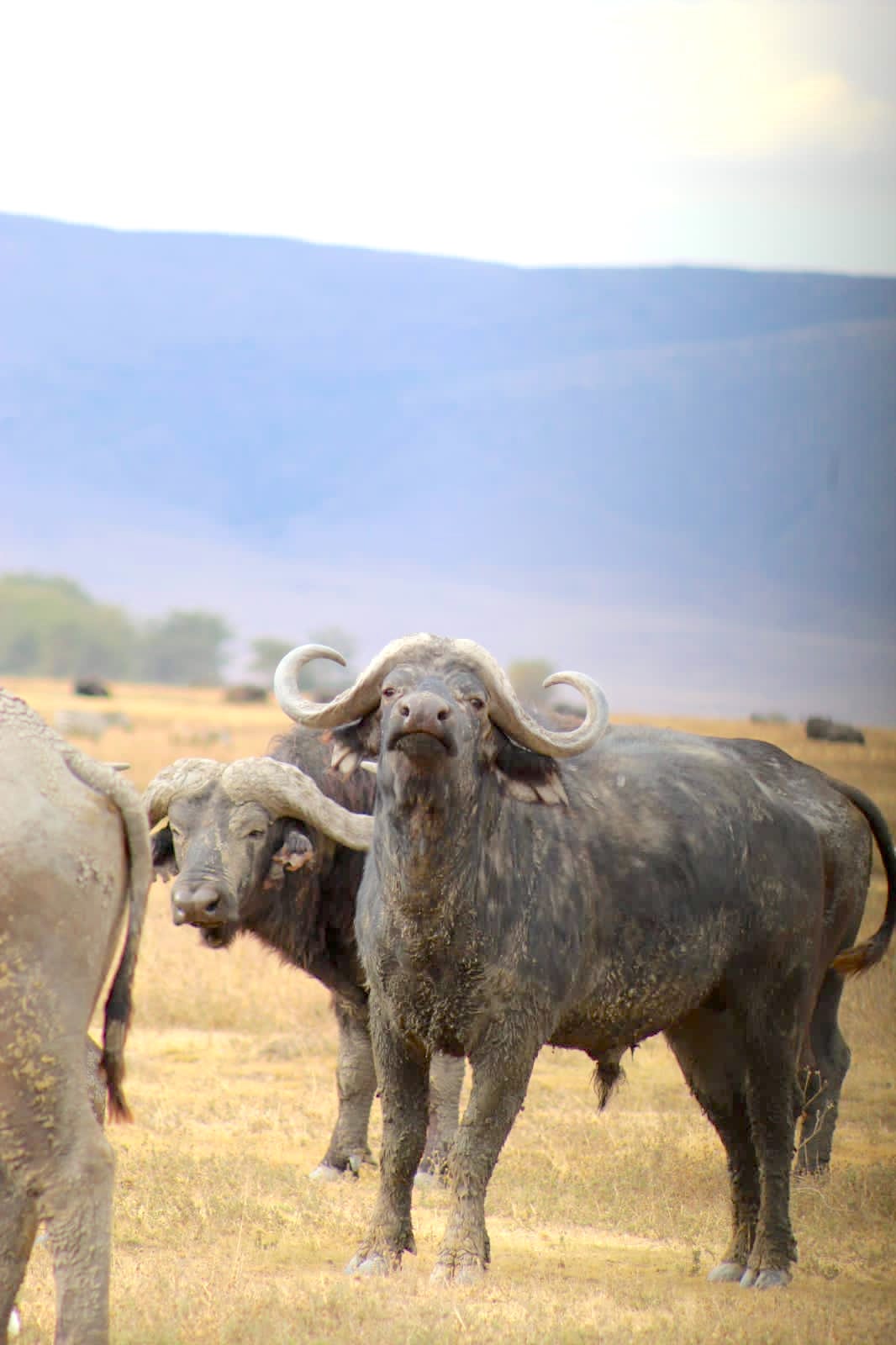
The floor of the Ngorongoro Crater is a wildlife haven, home to approximately 25,000 large animals. Game drives here provide an exceptional safari experience, with opportunities to spot the “Big Five” – lions, leopards, elephants, buffaloes, and the critically endangered black rhino.
The lush grasslands and freshwater lakes support a wide variety of species, including zebras, wildebeests, hippos, and hyenas, making it one of the most densely populated wildlife areas in Africa. The crater is also one of the best places to see lions up close, with its high predator population.
Bird Watching
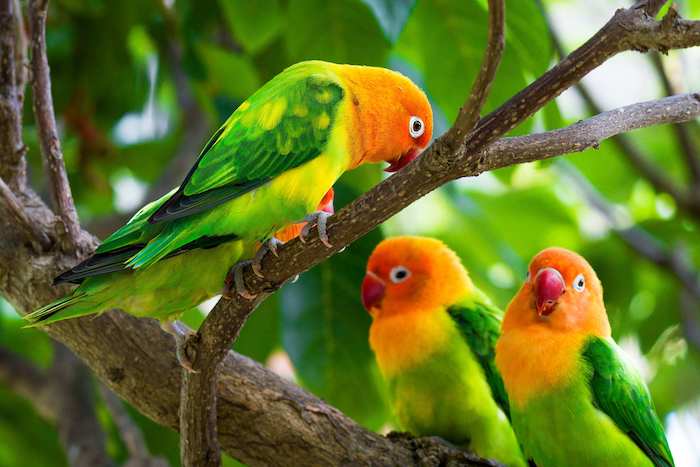
The Ngorongoro Crater is also a bird lover’s paradise, with over 500 bird species recorded. Flamingos flock to the alkaline Lake Magadi, located in the center of the crater, creating a breathtaking spectacle as they feed on algae.
Other notable birds include crowned cranes, Kori bustards, secretary birds, and a range of raptors such as the augur buzzard. The combination of wetlands, forests, and grasslands makes the crater a diverse birdwatching destination all year round.
Contacts
Office Locations
Marangu - Moshi
Call Us
+255 786 623 552
Email Us
Contact@iggy-expeditions.com
Make an enquire
It’s never too early to reach out.
Share your ideas, whether they’re detailed or just a rough outline, and our experienced safari experts will work with you to craft the perfect adventure.
Contacts
Office Locations
Marangu - Moshi
Call Us
+255 786 623 552
Email Us
Contact@iggy-expeditions.com
Make an enquire
It’s never too early to reach out.
Share your ideas, whether they’re detailed or just a rough outline, and our experienced safari experts will work with you to craft the perfect adventure.
Contacts
Office Locations
Marangu - Moshi
Call Us
+255 786 623 552
Email Us
Contact@iggy-expeditions.com
Make an enquire
It’s never too early to reach out.
Share your ideas, whether they’re detailed or just a rough outline, and our experienced safari experts will work with you to craft the perfect adventure.
© 2026 Iggy Expedition & Safari. All rights reserved
